The Importance of Fire Safety in the Workplace
Ensuring safety at work is essential to protect employees from harm, accidents, and health risks. It goes beyond simply supplying protective equipment; it also involves creating a culture where staff feel comfortable identifying and reporting potential dangers. When safety is prioritised, organisations benefit from improved efficiency, lower expenses, legal compliance, and a stronger reputation.
 Important
safety practices include assessing risks, offering proper training, and keeping
tools and machinery in good condition. Among these measures, fire safety
deserves special attention because fires can lead to severe and widespread
damage. Following fire safety laws is not optional, and workplaces should adopt
preventive steps such as installing fire alarms, servicing extinguishers,
preparing evacuation procedures, and holding regular training sessions and
emergency drills
Important
safety practices include assessing risks, offering proper training, and keeping
tools and machinery in good condition. Among these measures, fire safety
deserves special attention because fires can lead to severe and widespread
damage. Following fire safety laws is not optional, and workplaces should adopt
preventive steps such as installing fire alarms, servicing extinguishers,
preparing evacuation procedures, and holding regular training sessions and
emergency drills
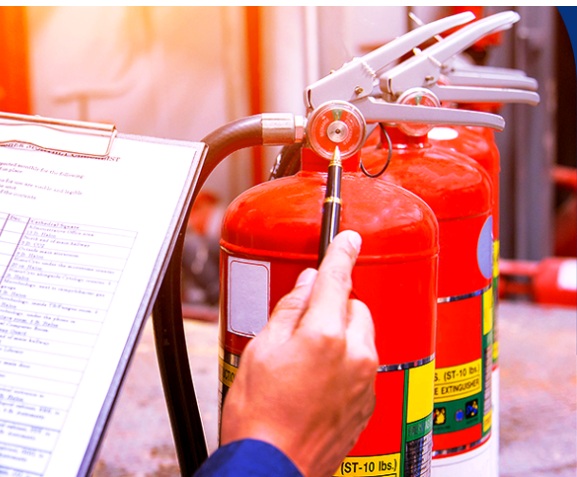
Preventing Fire Risks: The Importance of Fire Safety at Work
Fire hazards in the workplace must be treated with the highest level of seriousness because the damage they can cause may be devastating. Protecting employees from fire-related dangers is not only an ethical responsibility, but neglecting these risks can also result in legal issues, fines, and regulatory consequences.
It’s important to recognise why fire safety should always be a top priority in every work environment. By understanding the potential dangers and the impact they may have, organisations can take proactive measures to protect staff and create a safer workplace for everyone.
The Importance of Fire Safety in the Workplace
Between 2017 and 2020, India recorded an average of three deaths and 11 injuries each day in factories, according to data from the Ministry of Labour & Employment’s Directorate General Factory Advice Service & Labour Institutes (DGFASLI). These figures highlight the serious risks associated with neglecting fire safety. Failing to address fire hazards at work can result in tragic loss of life, significant financial damage, and legal consequences due to non-compliance with safety regulations.
Legal and Regulatory Compliance
Following fire safety rules is more than just a formality — it is a legal obligation. Regulatory bodies impose strict standards to ensure that workplaces take the necessary steps to prevent and control fire risks. As a result, organisations must give fire safety high priority and invest in appropriate measures to meet these requirements.
In India, fire safety is mainly governed by several key laws and guidelines:
Factories Act, 1948: Requires factories to implement fire prevention systems and establish clear evacuation procedures.
Maharashtra Fire Prevention and Life Safety Measures Act, 2006: Mandates fire safety standards for buildings in Maharashtra, including obtaining fire safety certifications.
National Building Code of India (NBC): Provides nationwide fire safety guidelines related to construction materials, design, and protective systems.
State Fire Services Acts: Enforced in certain states to oversee fire prevention practices, equipment approval, and emergency response protocols.
Indian Penal Code (IPC): Covers offences related to fire, including negligent or intentional actions that put lives at risk.
By understanding and complying with these regulations, workplaces can better protect their employees and reduce the likelihood of fire-related incidents.
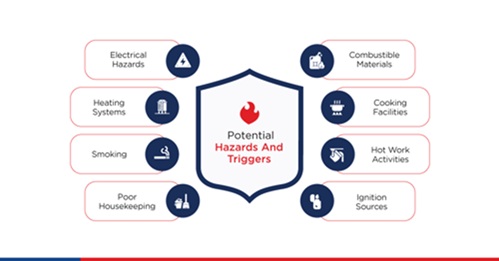
Recognising Potential Fire Hazards and Triggers
It is important to identify common conditions and activities that may increase the risk of fire in the workplace. Being aware of these hazards helps prevent incidents and maintain a safer environment.
Electrical Risks: Overloaded circuits, faulty wiring, and defective electrical devices can spark or overheat, potentially causing fires.
Flammable Substances: Unsafe storage or mishandling of liquids, gases, or other combustible materials, particularly near heat or ignition sources, can easily lead to fire outbreaks.
Heating Equipment: Defective heaters or obstructed ventilation systems may overheat and ignite nearby materials.
Kitchen Areas: In commercial kitchens, grease accumulation, unattended appliances, and poor ventilation significantly raise the likelihood of fires.
Smoking Practices: Smoking in restricted zones or careless disposal of cigarette butts can ignite surrounding materials.
Hot Work Tasks: Activities such as welding, cutting, and soldering generate sparks and heat, requiring strict safety measures, permits, and supervision to prevent fires.
Inadequate Housekeeping: Clutter, waste buildup, and blocked exits not only fuel fires but also hinder evacuation and access to emergency equipment.
Training and Awareness
Building strong fire safety knowledge and awareness is essential to protect both employees and customers in any workplace.
Propertraining ensures that everyone understands how to prevent fires and how to react quickly and safely during an emergency.
The following steps can helpstrengthen fire safety education and preparedness:
Teach staff how to respond appropriately and efficiently if a fire occurs
Carry out routine fire drills to practise evacuation and emergency procedures
Organise workshops or seminars to improve fire safety understanding and practical skills
Share educational resources such as posters, leaflets, or guides to reinforce important safety information
Encourage a workplace culture that values and prioritises fire safety
Motivate employees to recognise potential hazards and take preventive action
Support adherence to legal and regulatory standards through consistent fire safety training
By investing in training and awareness, organisations can reduce risks and create a safer environment for everyone.
How Can Fire Safety Measures Be Put into Practice?
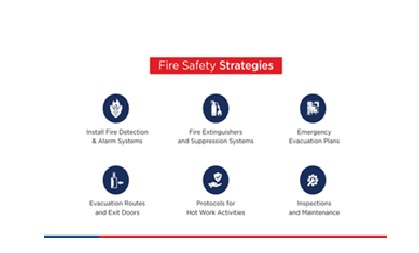
Implementing strong fire safety controls requires a combination of planning, proper equipment, and employee preparedness. The following actions can help organisations establish effective fire prevention and response systems:
Install and maintain alarm systems: Set up reliable fire detection equipment, such as smoke detectors and alarm systems, across the workplace. These systems should be inspected, tested, and serviced regularly to ensure they function properly.
Provide suitable fire extinguishers and suppression systems: Supply the correct number and types of extinguishers, along with automatic systems like sprinklers, and make sure they are well maintained and easy to access during emergencies.
Create and enforce evacuation plans: Design clear evacuation procedures that include escape routes, designated assembly areas, and special arrangements for individuals with disabilities. Regular drills should be conducted so everyone understands what to do.
Keep exits and pathways clear: Ensure that escape routes remain free of obstacles and that exit doors are clearly labelled, visible, and simple to open.
Deliver fire safety training: Offer thorough training to employees on fire prevention practices, emergency response steps, and the correct use of firefighting equipment, with periodic refresher sessions to maintain awareness.
Set safety protocols for high-risk tasks: Introduce strict procedures for activities such as welding or cutting that may produce sparks or heat. This may include issuing permits, carrying out safety checks beforehand, and assigning fire watch personnel.
By consistently applying these strategies, workplaces can reduce fire risks and better protect both people and property.
Conclusion: Fire Safety Saves Lives
In today’s workplaces and organisations, fire safety must never be treated as an afterthought. Companies need to take proactive steps to protect their people and property from fire risks. By recognising potential hazards and putting effective prevention and response measures in place, businesses can build a secure and productive environment for their workforce. Ensuring fire safety is not only a legal responsibility but also an ethical duty to safeguard everyone on site.
At the British Safety Council, we remain dedicated to promoting the health, safety, and well-being of employees in every workplace. Achieving this requires collaboration and a shared commitment to creating safer working conditions. Our flagship service, Five Star Audits, provides organisations with the guidance and assurance they need. These audits follow internationally recognised standards to help maintain strong compliance with health and safety requirements. Covering areas such as Environmental Sustainability, Occupational Health and Safety, and Process Safety, our comprehensive audit programmes support organisations in building and sustaining a strong culture of safety excellence.